Mastering Cinematic Lighting in Midjourney v6
Learn the exact camera lenses, lighting modifiers, and prompt structures to generate photorealistic cinematic shots.
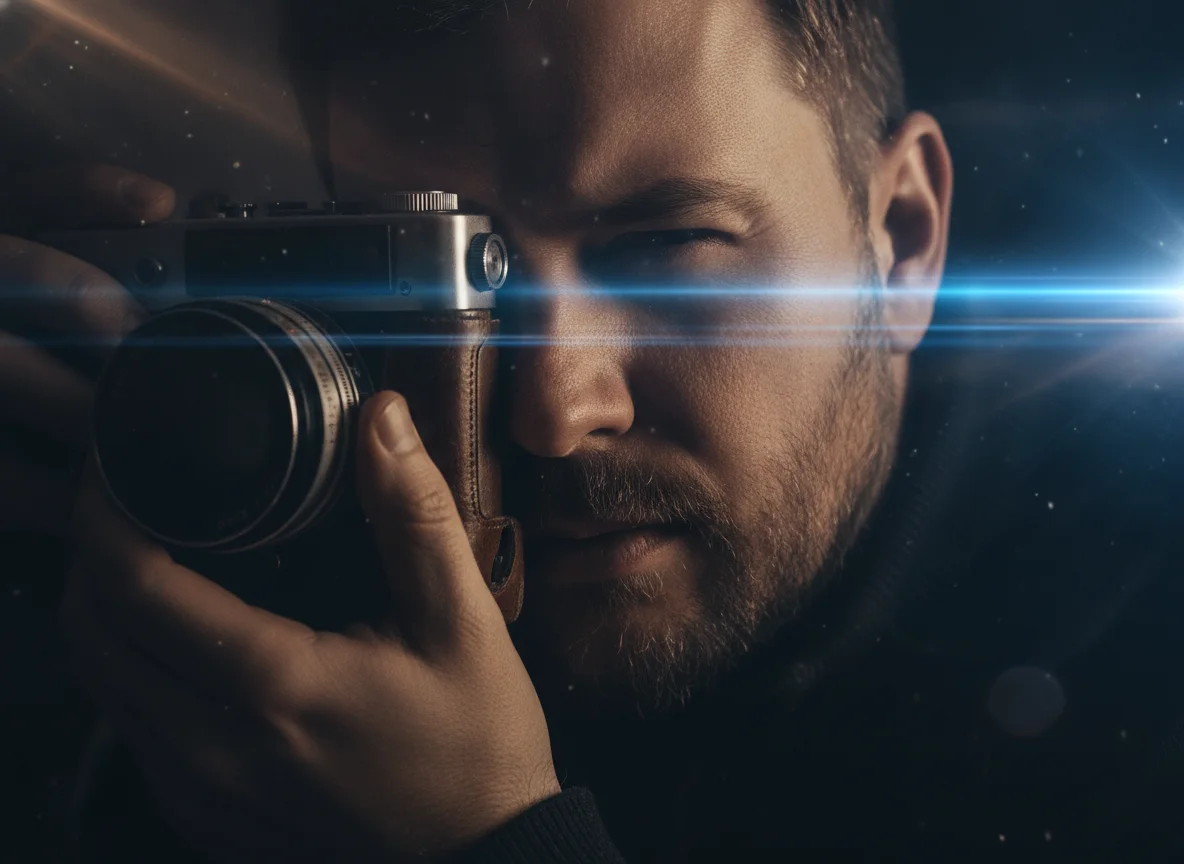
If your AI image generations look like digital paintings instead of real movie stills, you are likely missing one critical element: structured cinematic lighting.
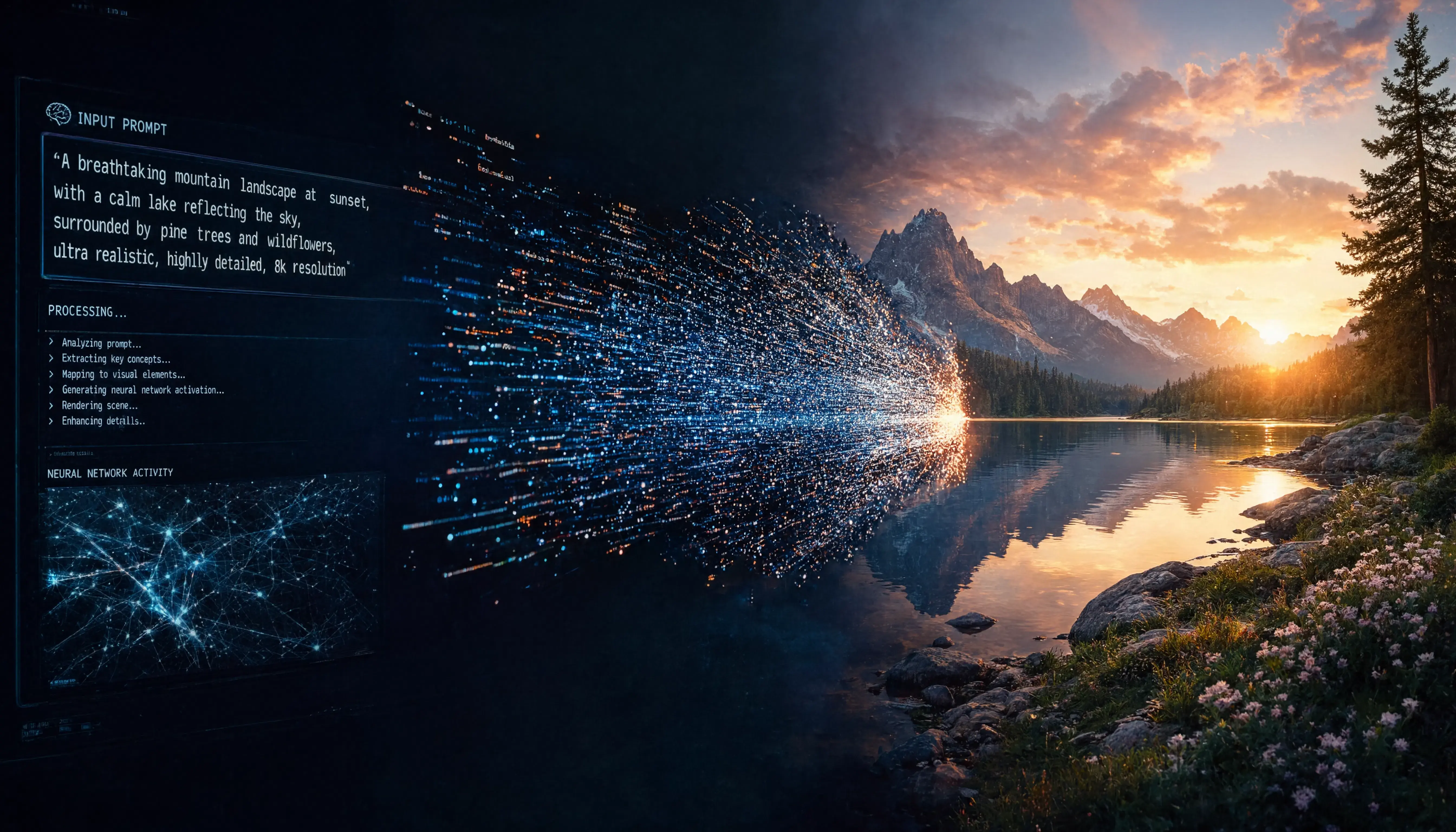
AI models like Midjourney v6 are trained on billions of images. If you just type "a cool cyberpunk street," the AI guesses the lighting. To get professional results, you must act like a film director and explicitly tell the AI what camera, lens, and light source to use.
Here are three tested prompt formulas you can copy right now.
1. The "Golden Hour" Atmospheric Shot
Golden hour lighting adds immense emotional weight and a warm, natural aesthetic. The secret here is combining the lighting condition with a specific film stock.
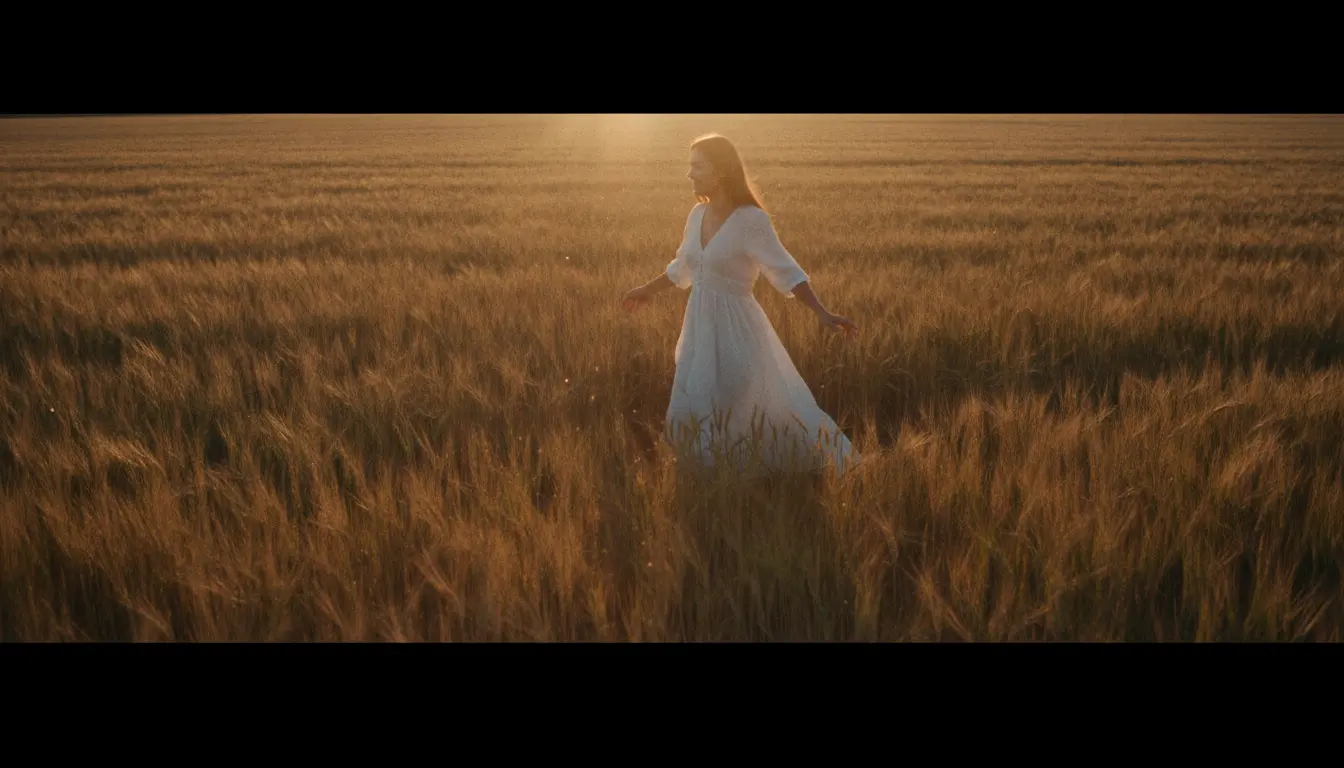
A cinematic medium shot of a woman walking through a tall wheat field, golden hour lighting, sun flares, backlit, shot on 35mm film, Kodak Portra 400, photorealistic, extreme detail --ar 16:9 --style raw --v 6.0
Why This Works:
backlit&sun flares: Forces the AI to place the sun behind the subject, creating a glowing rim-light effect.Kodak Portra 400: A real-world film stock known for warm skin tones. Midjourney understands these exact color profiles perfectly.
2. The High-Contrast Neon (Neo-Noir)
Perfect for tech, gaming, or modern street photography aesthetics. You need to specify the contrast and the environmental elements that reflect light.
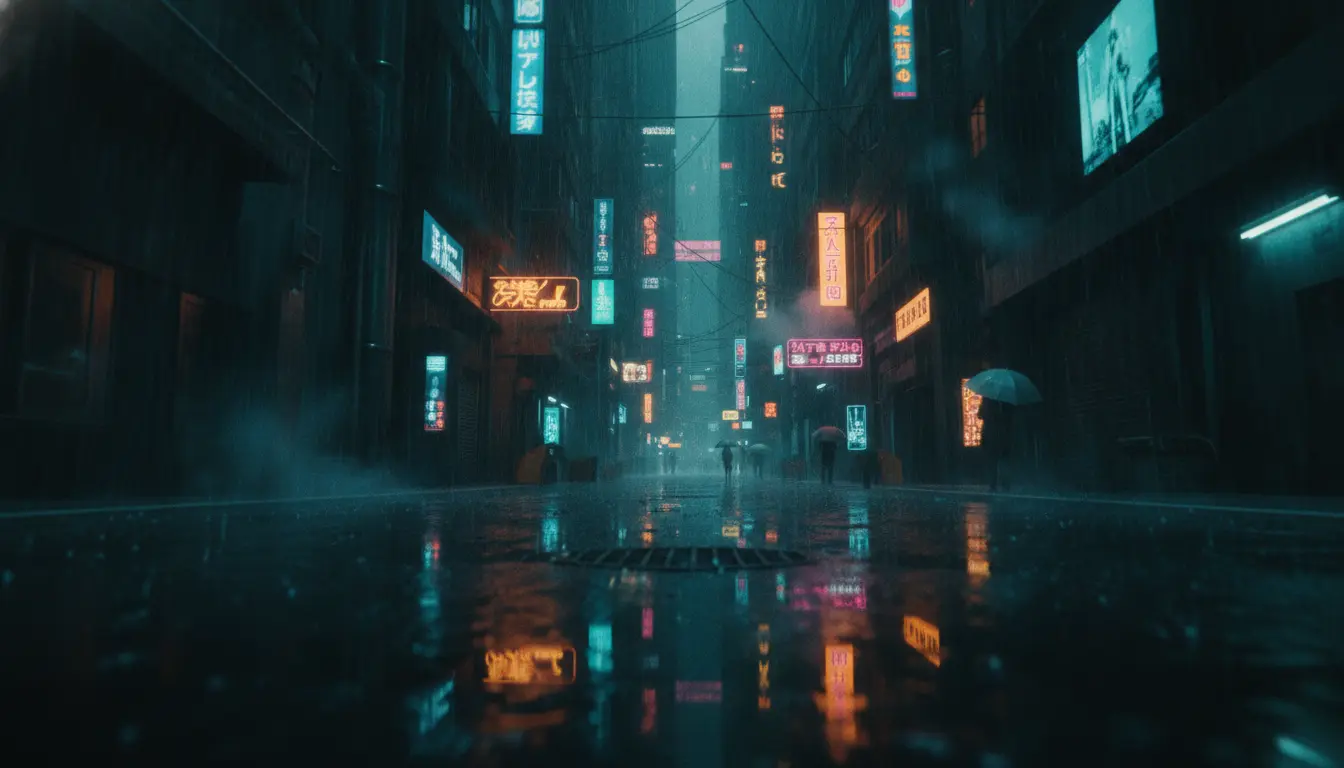
A low angle cinematic shot of a rainy neo-tokyo alleyway, neon signs reflecting in puddles, high contrast, atmospheric lighting, anamorphic lens, deep shadows, cinematic color grading, teal and orange --ar 21:9 --v 6.0
Why This Works:
anamorphic lens: This tells Midjourney to create those horizontal, stretched lens flares you see in movies like Blade Runner.teal and orange: The most famous cinematic color grading technique in Hollywood.--ar 21:9: Uses an ultra-widescreen cinematic aspect ratio.
3. The Soft Studio Portrait
When you want clean, professional results (like fashion editorials or corporate setups), you must remove "dramatic" lighting and ask for diffused setups.
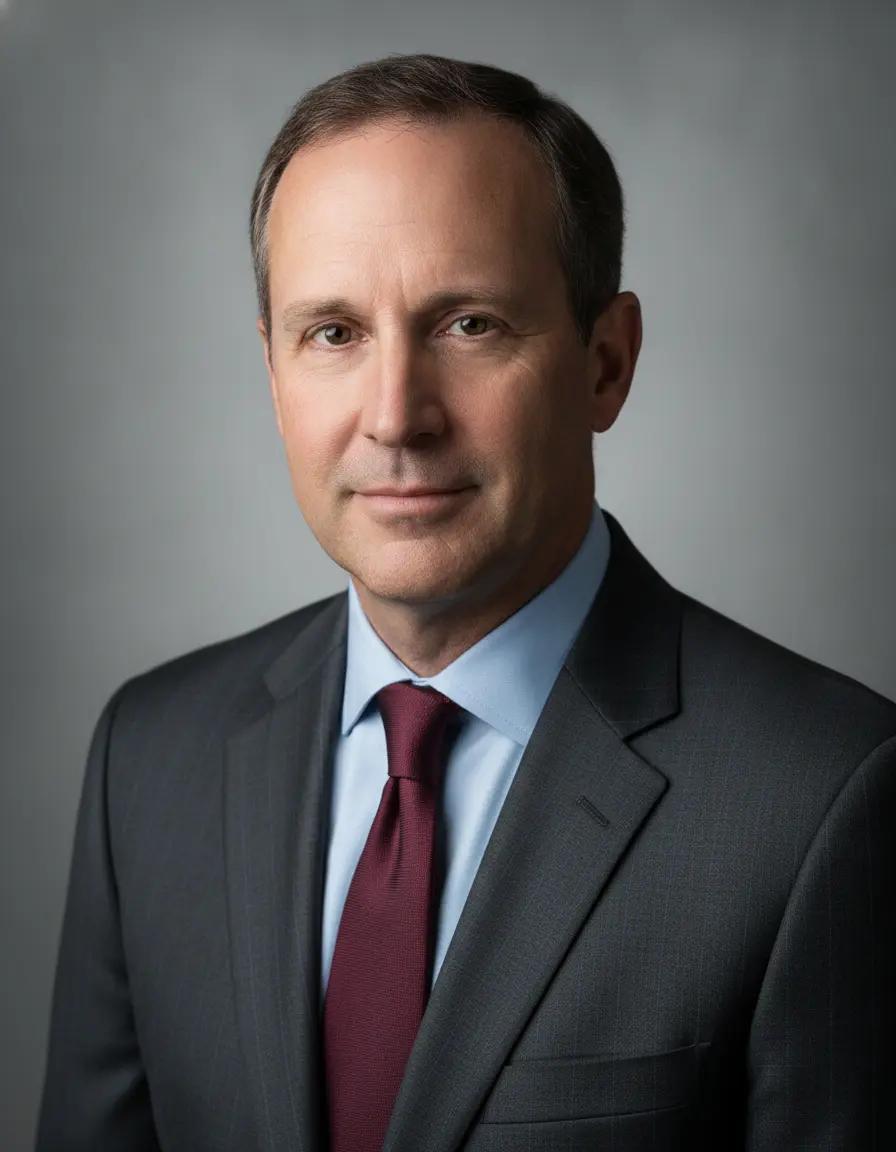
A professional editorial portrait of a man looking at camera, softbox lighting, diffused studio light, clean grey background, 85mm lens, sharp focus, hyper-realistic, highly detailed --ar 4:5 --style raw --v 6.0
Why This Works:
softbox lighting&diffused studio light: Removes harsh shadows from the face.85mm lens: The standard lens for real-world portraits. It naturally blurs the background while keeping the facial features perfectly proportioned.
Summary: The Cinematic Formula
To consistently generate stunning, photorealistic images on PicBanao, structure your prompts using this cinematic formula:
[Subject] + [Environment] + [Lighting Source] + [Camera Lens or Film Stock] + [Parameters]